2026-10-06 · Michael 'Mike' Chen
Dealing With Tree Root Clogs Near Brooklyn Sidewalks
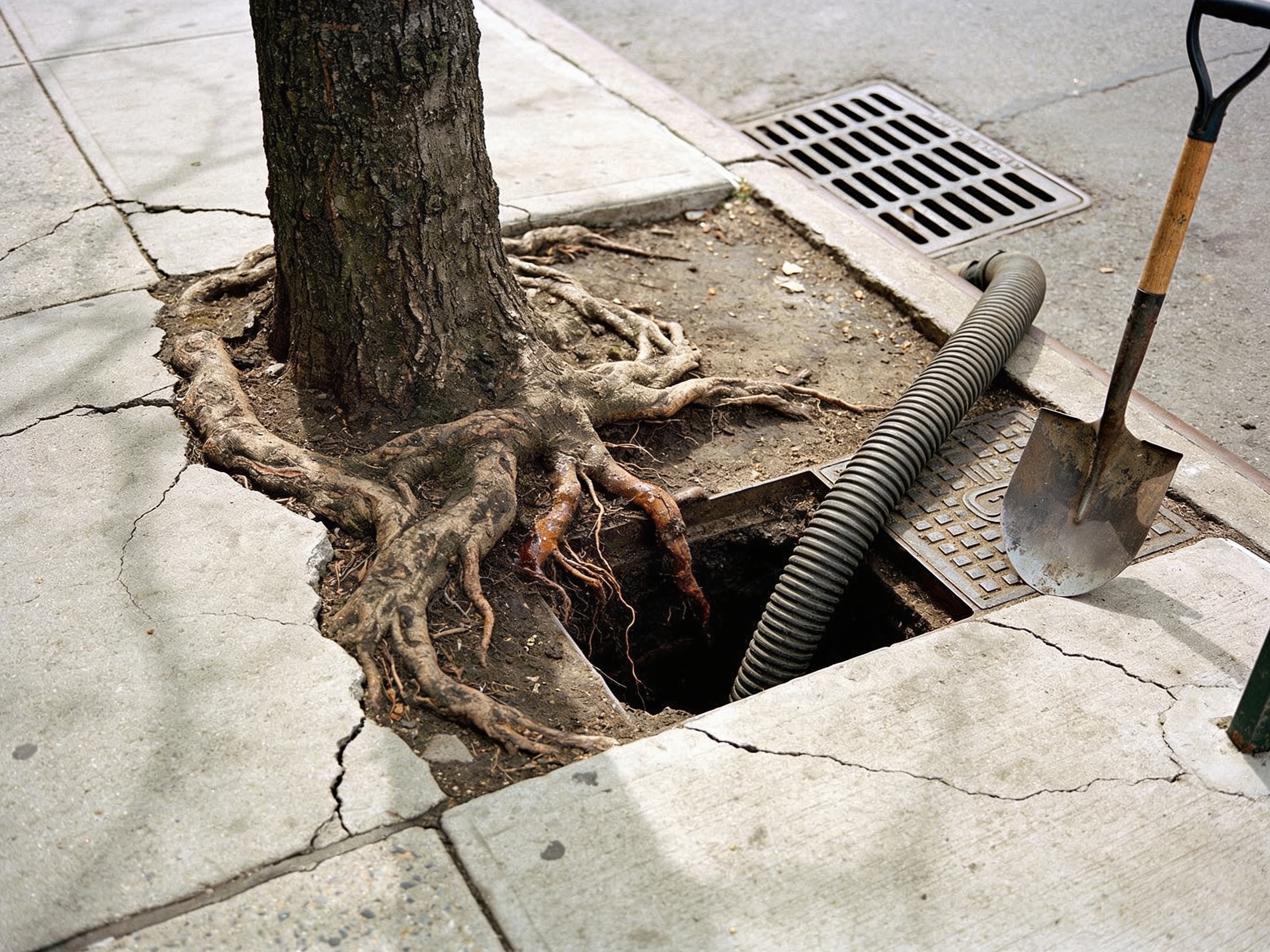
Dealing with tree root clogs near Brooklyn sidewalks typically involves professional intervention using specialized equipment like drain snaking or hydro jetting. The cost for addressing these clogs can range from $300 to $800 depending on the severity, accessibility, and the method required, with more complex cases potentially reaching $1,500 if pipe repair or replacement is necessary. These clogs are a persistent issue in areas like Brooklyn 11236, where mature trees, often planted decades ago, have extensive root systems that seek out moisture and nutrients, making their way into even the tiniest cracks in underground sewer lines. Early detection and regular maintenance are key to preventing significant damage and costly repairs.
How Tree Roots Infiltrate Your Sewer Lines
Tree roots are naturally drawn to sources of water and nutrients, and unfortunately, your underground sewer pipes offer both. Even the smallest crack, loose joint, or compromised seal in a sewer line can act as an invitation for fine, hair-like roots to enter. Once inside, these roots thrive on the wastewater flowing through the pipe, growing rapidly and expanding into a dense mass. This growth reduces the pipe's internal diameter, restricts flow, and eventually can lead to a complete blockage, causing sewage backups into your home or yard. The clay and cast iron pipes common in many older Brooklyn 11236 homes are particularly susceptible due to their age and material properties, which can degrade over time and create entry points.
The proximity of mature trees to sewer lines is a significant factor. In neighborhoods like East Flatbush or Flatlands, where streets are often lined with large, established trees, the risk of root intrusion is higher. These trees, often decades old, have extensive root systems that can spread far beyond their canopy. The constant search for water, especially during drier periods, drives roots deeper and wider, increasing the likelihood of encountering your sewer infrastructure. Identifying the types of trees on your property and their proximity to your main sewer line can help you assess your risk.
Recognizing the Signs of a Tree Root Clog
Catching a tree root clog early can save you from more severe and expensive problems down the line. One of the most common indicators is slow drains throughout your home. If multiple fixtures, such as sinks, showers, and toilets, are draining sluggishly, it often points to a blockage in the main sewer line rather than an isolated fixture clog. Another tell-tale sign is gurgling noises coming from your drains or toilet, especially after flushing or running water in another part of the house. This sound indicates trapped air and pressure changes caused by restricted flow.
Beyond slow drains and gurgling, you might notice foul odors emanating from your drains. As wastewater backs up and stagnates behind the root mass, it can produce unpleasant smells that permeate your home. More critically, if you experience sewage backups in your lowest-level fixtures, like a basement toilet or floor drain, it's a strong indication of a significant blockage in your main sewer line, likely caused by tree roots. If you're experiencing recurring clogs, especially if you have mature trees nearby, it's wise to consider a professional diagnosis. You can learn more about persistent issues on our page about Recurring Drain Clogs.
Professional Methods for Tree Root Removal
When facing a tree root clog, professional intervention is almost always necessary. DIY methods are rarely effective against the dense, fibrous nature of tree roots and can sometimes even push the problem further down the line. Professional drain cleaning services, like Brooklyn Drain Harbor, utilize specialized tools and techniques to effectively remove root intrusions. The first step often involves a Drain Camera Inspection. This allows technicians to visually confirm the presence of roots, assess the extent of the intrusion, and identify any pipe damage without invasive digging. This visual confirmation is crucial for determining the most appropriate and effective removal strategy.
Once the root intrusion is confirmed, two primary methods are employed: drain snaking and hydro jetting. Traditional drain snaking, using a heavy-duty auger with cutting blades, can bore through and cut away smaller root masses. However, for more extensive or stubborn root systems, Hydro Jetting is often the superior solution. This method uses highly pressurized water (up to 4,000 PSI) to scour the inside of the pipes, not only cutting through roots but also washing away grease, sediment, and other debris that has accumulated. Hydro jetting provides a thorough cleaning that can restore the pipe to its original diameter, significantly reducing the likelihood of immediate recurrence.
Preventing Future Tree Root Intrusions
While complete prevention can be challenging in areas with mature trees, there are several steps homeowners in Brooklyn 11236 can take to minimize the risk of future tree root clogs. Regular maintenance is paramount. Consider scheduling a professional Sewer Drain Cleaning every 1–2 years, especially if your property has older pipes or is surrounded by large trees. During these cleanings, technicians can use a camera inspection to monitor the condition of your pipes and address any minor root growth before it becomes a major problem.